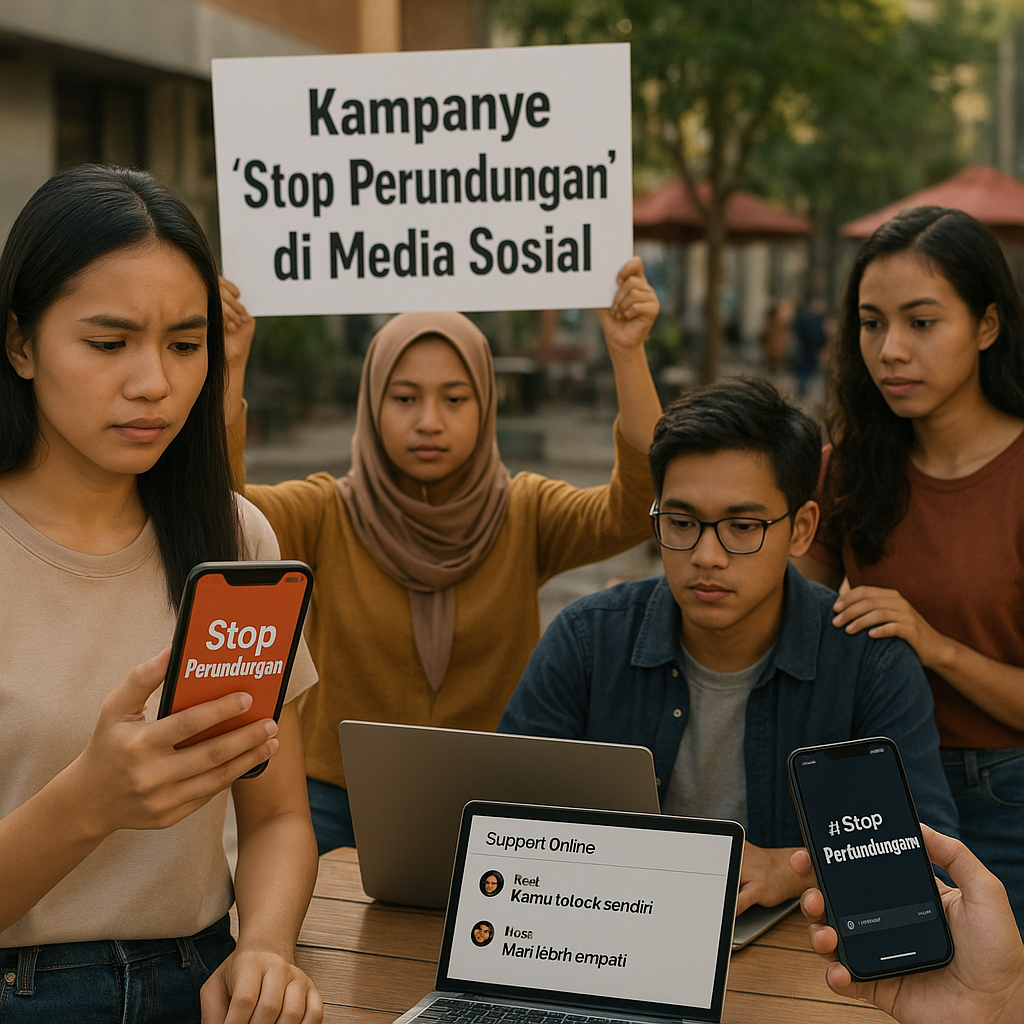
Ever scroll through TikTok or Instagram and see hashtags like #StopBullying popping up? It’s not just a fleeting trend—it’s becoming a serious movement, especially for Gen Z whose lives are practically glued to screens. Why does it matter so much? Because words typed behind a screen have real power to hurt, deeply affecting someone's mental health. This isn't just about being nice online; it’s about protecting real people with real feelings.
Kampanye Digital yang Mengubah Perspektif
With cyberbullying cases rising, everyone from mega-influencers, online communities, to youth support organizations is stepping up. They’re not just making content; they’re sparking conversations, sharing personal stories, and giving practical tips on how to handle or prevent bullying. This collective effort challenges the ‘it’s just normal online behavior’ mindset and pushes for more empathy and tolerance in our digital spaces. The goal? To make kindness the new norm.
The impact isn’t instant—you won’t wake up tomorrow to a perfectly polite internet. But this movement is successfully building wider awareness. Many are now realizing, “Wait, my joking comment could actually hurt someone for a long time,” or “That post I shared without thinking could be used to bully someone.” This shift in consciousness is a crucial first step toward creating a healthier online environment for everyone.
Efeknya Nyata: Dari Layar ke Kehidupan Kita
So, what does this actually mean for us and society? First up: mental health. Through all this education, Gen Z is better understanding that feeling pressured, anxious, or insecure because of netizen comments is valid and shouldn’t be brushed off. Second, online support communities are blooming. More young people feel brave enough to speak up because they know they’re not alone, finding solidarity with others who’ve faced similar issues.
Perhaps most importantly, this movement encourages mindfulness. Before posting, commenting, or even liking content that might put someone down, we’re prompted to pause and ask: “What’s the impact?” A positive digital space doesn’t come from just one or two people—it’s built from our collective habits as users. It’s about choosing to uplift rather than tear down.
In the middle of all the flashy content and likes that can sometimes make us lose perspective, the ‘stop bullying’ campaign acts as a simple yet powerful reminder. Behind every account is a human with emotions. And maybe, one positive comment or supportive message we write could be the encouragement that saves someone’s day. Big changes often start from the small choices we make—or avoid making—on social media.